
Flanged Immersion Heaters
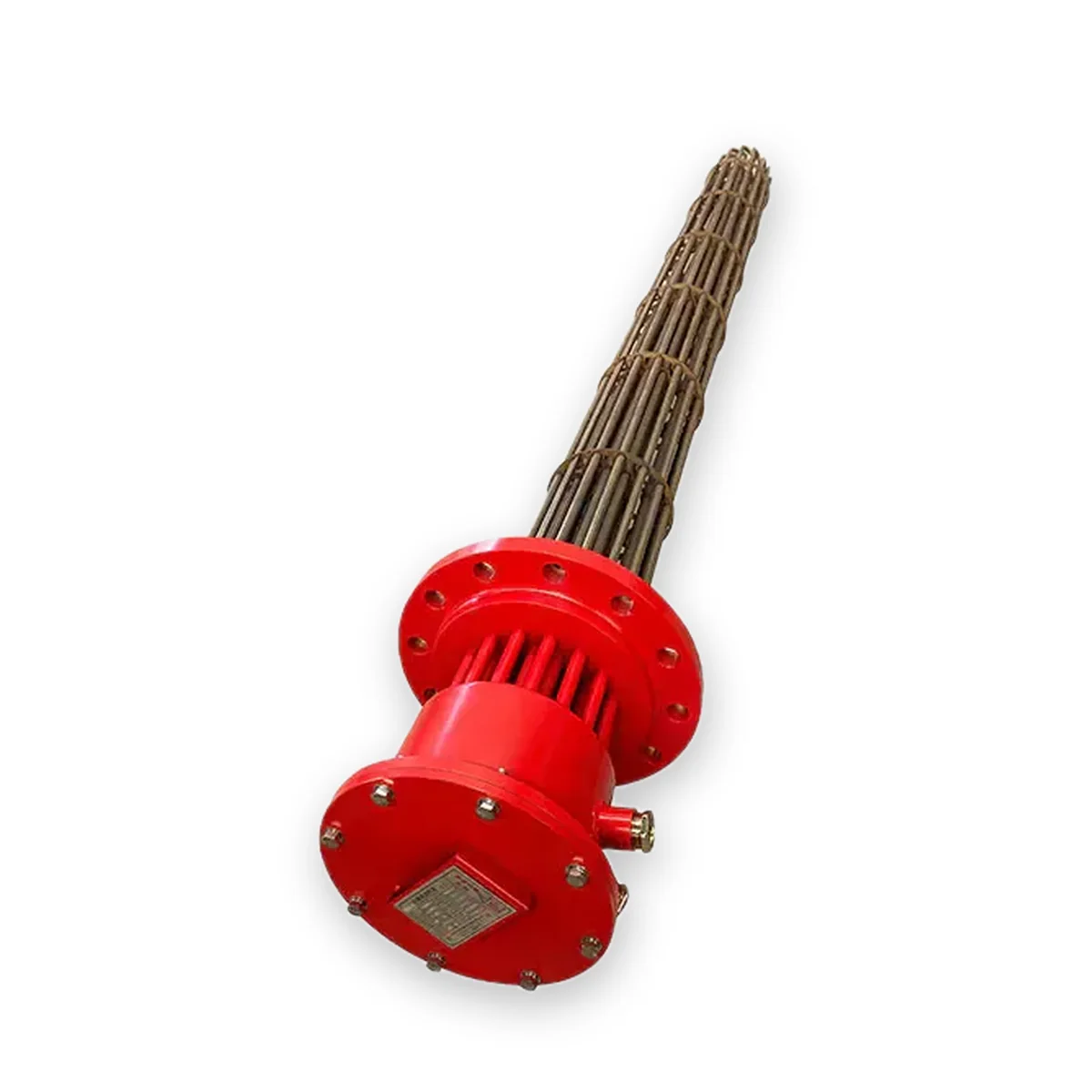
Tubular elements welded into a flange for tanks, vessels and pressurised systems. Sized by medium, watt density and flange rating; built to your drawing or ours.
Selection tools
Construction
- Tubular elements are formed and welded into the flange, then pressure tested.
- The flange bolts to the tank nozzle; the terminal box stays outside the vessel.
- Sheath thermocouple and high-limit thermostat protect the elements.
Operating conditions
Include these details when requesting a quotation.
| Power | to your duty |
|---|---|
| Voltage | 3 ph · 50 / 60 Hz · per site supply |
| Medium | liquid or gas in a tank or vessel |
| Working temp. | per process |
| Material | 304 / 316L / Incoloy / titanium sheath |
| Ex rating | if required |
Options and materials
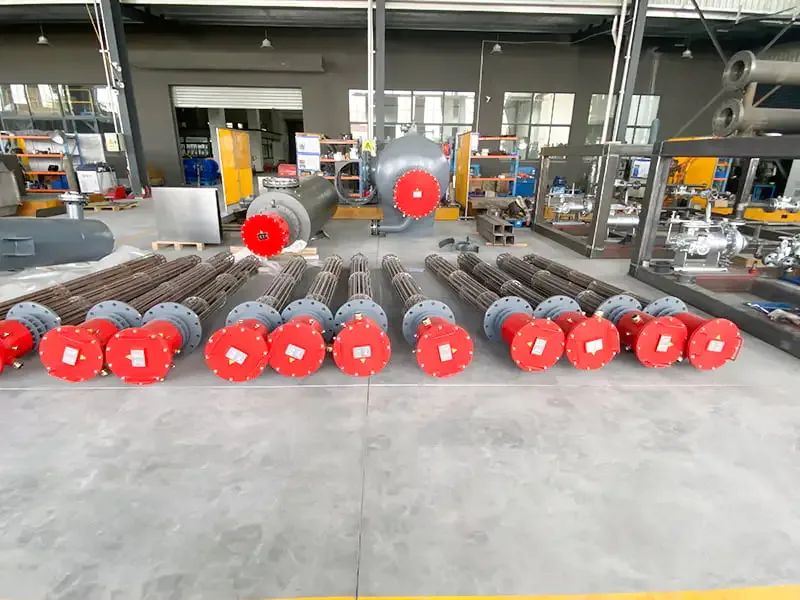
| Flange | ANSI / DIN / JIS, carbon or stainless steel |
|---|---|
| Elements | Hairpin or multi-loop, with or without thermowell |
| Terminal box | General purpose, weatherproof, explosion-proof |
Industries
Typical duties
Oil, Gas & Petrochemical
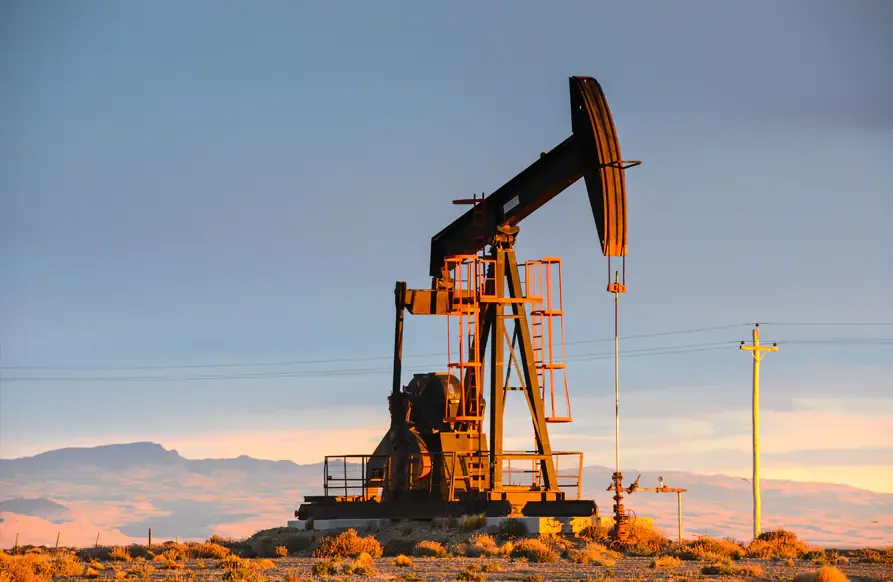
Hazardous areas, high pressure, low watt density for hydrocarbon fluids, certification for the destination.
Marine & Offshore
Vibration, corrosion, classification requirements, hazardous zones on platforms.
Food & Pharmaceutical
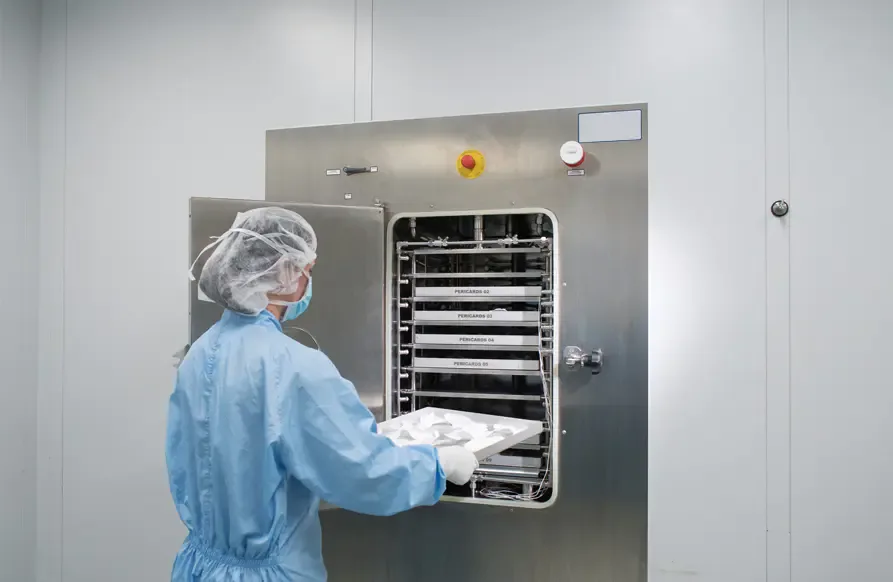
Stainless wetted parts, cleanable surfaces, accurate control.
Delivered as a system: Tank and vessel heating package
Tested before it ships
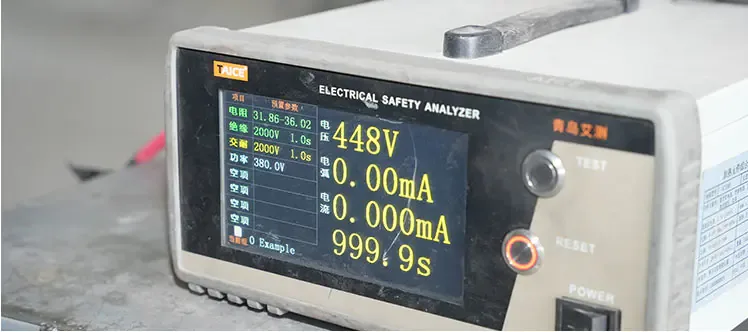
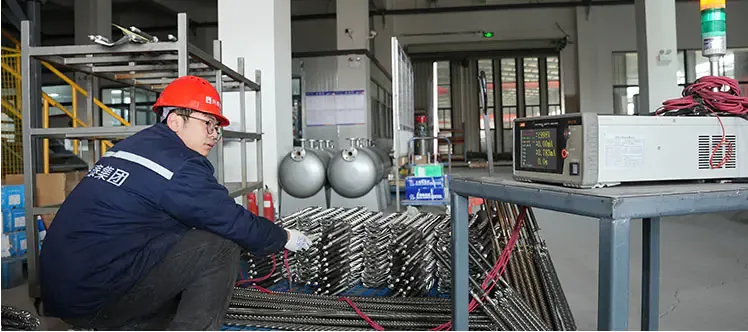
Every unit goes through the same electrical checks at the Yancheng plant. The results are recorded per heater and the test record ships with it.
- Insulation resistanceMeasured cold and hot between live parts and the earthed housing.
- Dielectric strengthHigh-voltage withstand test between live parts and earth.
- Leakage currentMeasured at rated voltage.
- Pressure testThe flange, vessel or pipe body is pressure tested before dispatch.
- Power checkResistance and power measured against the rating plate.
Certificates
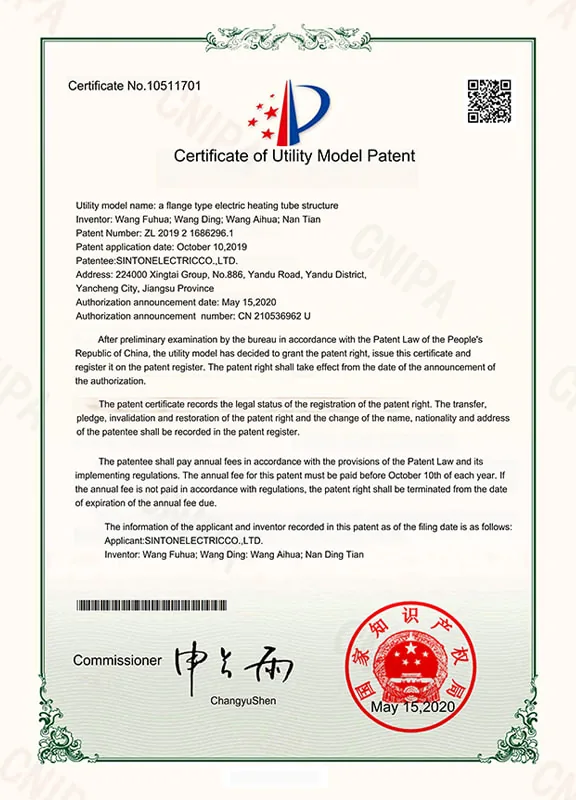
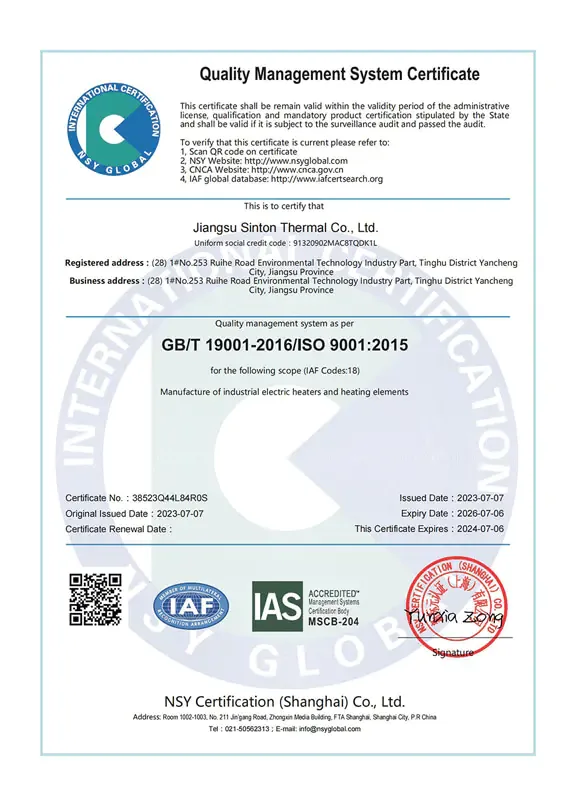
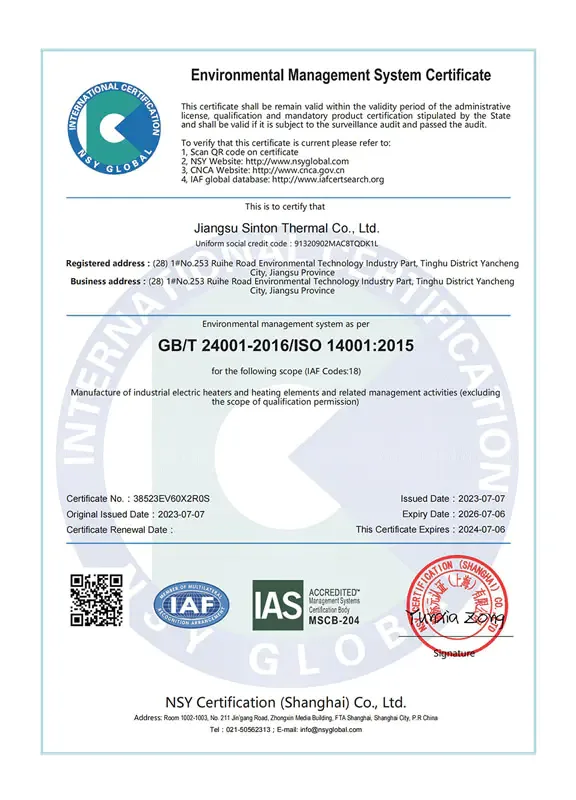
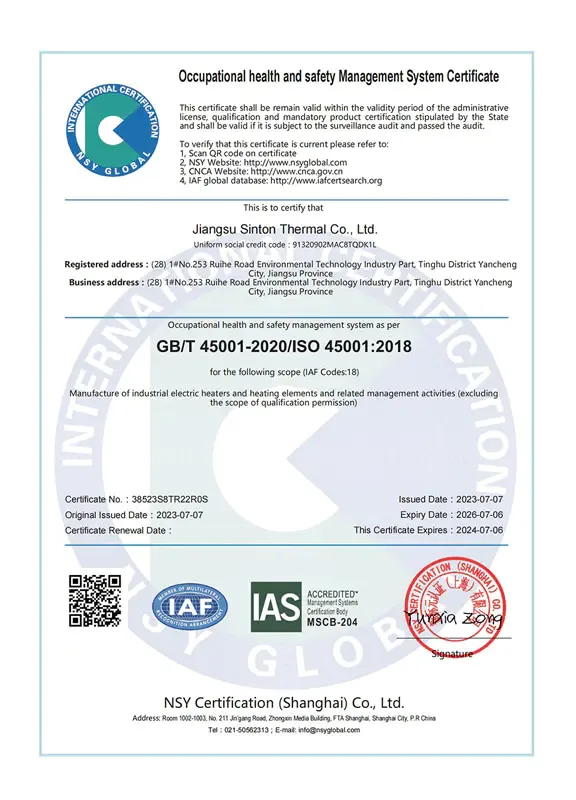
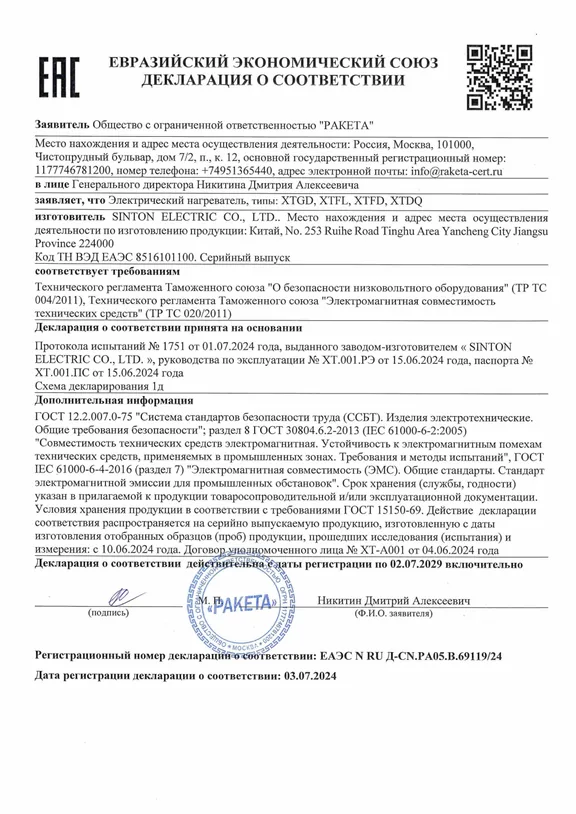
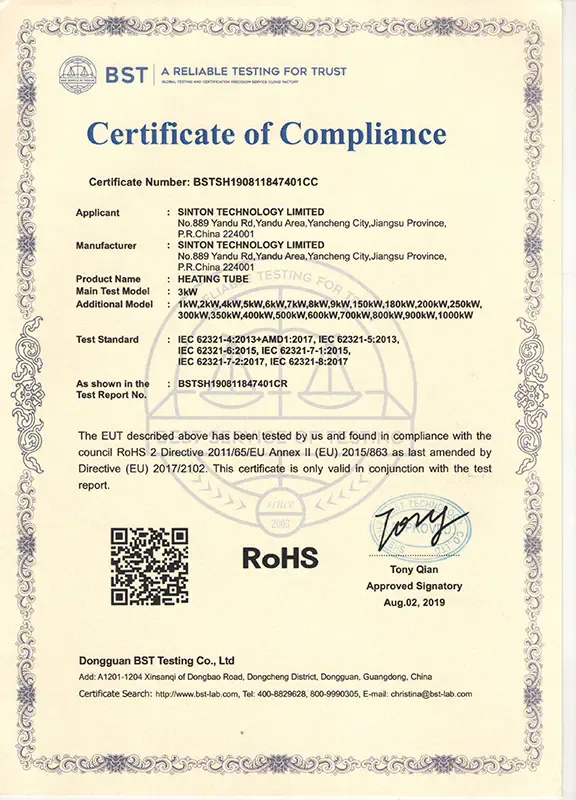
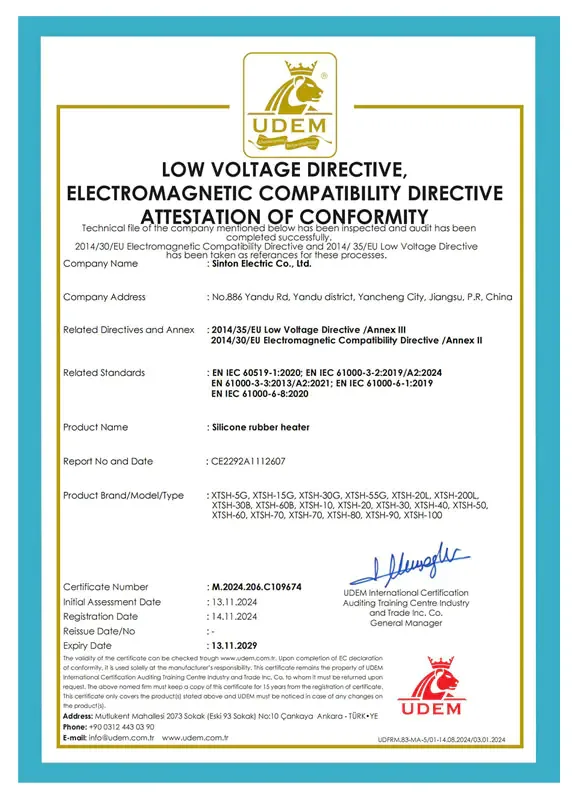
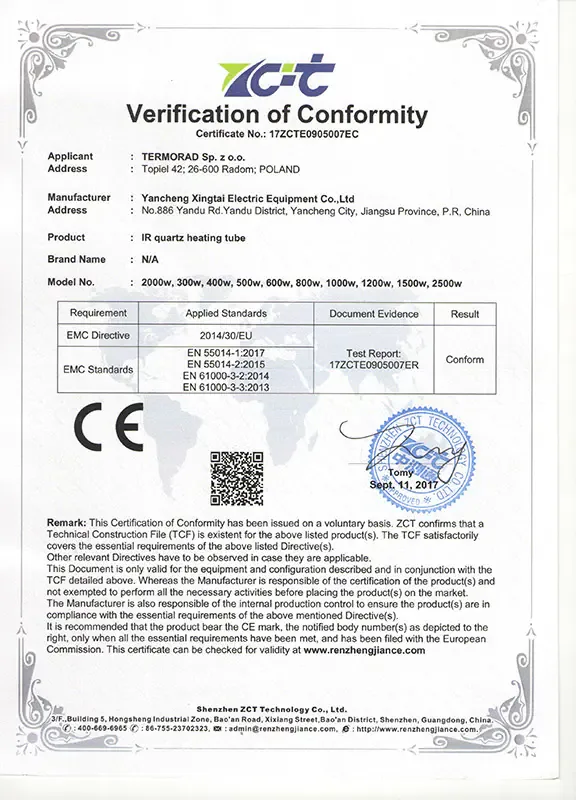
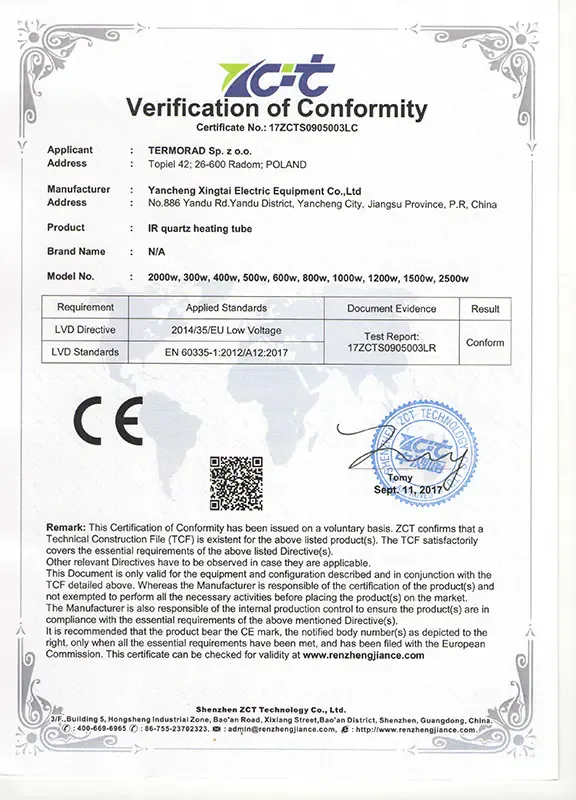
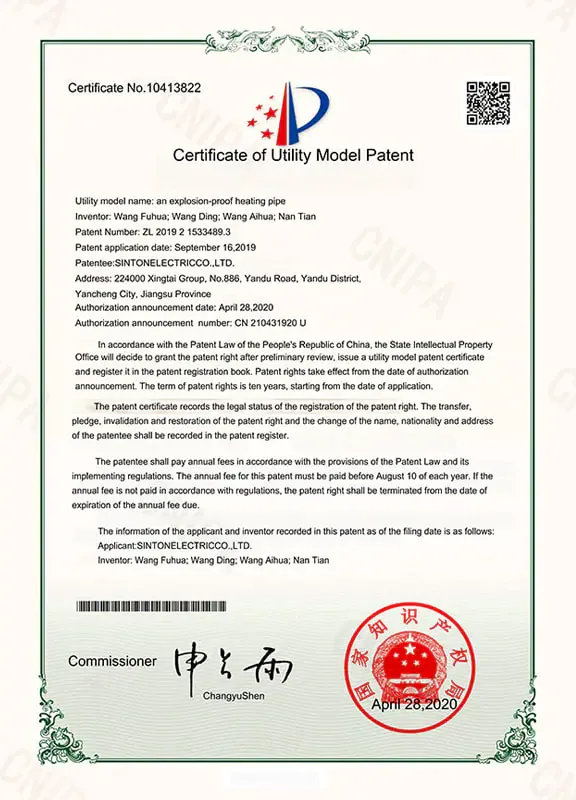
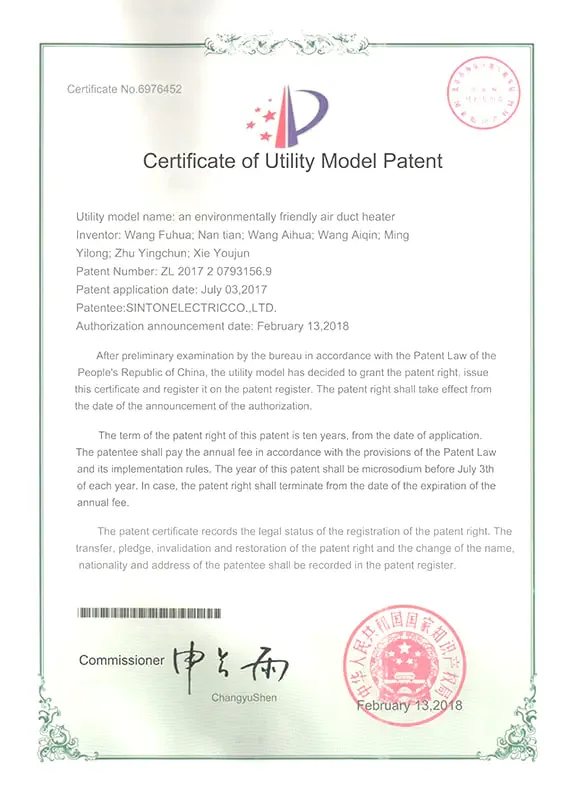
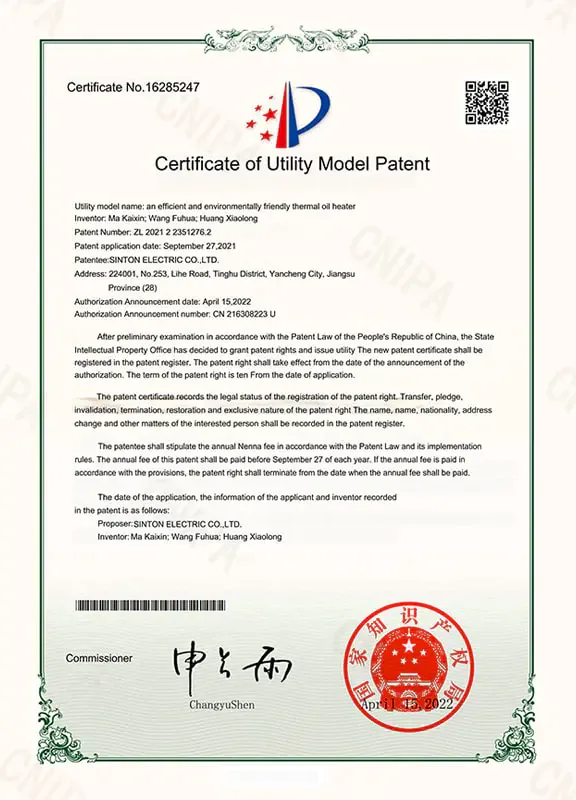
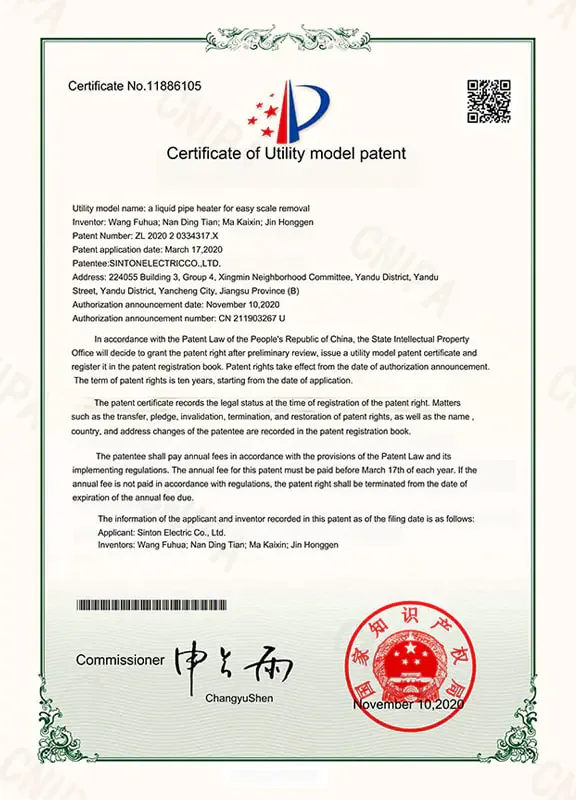
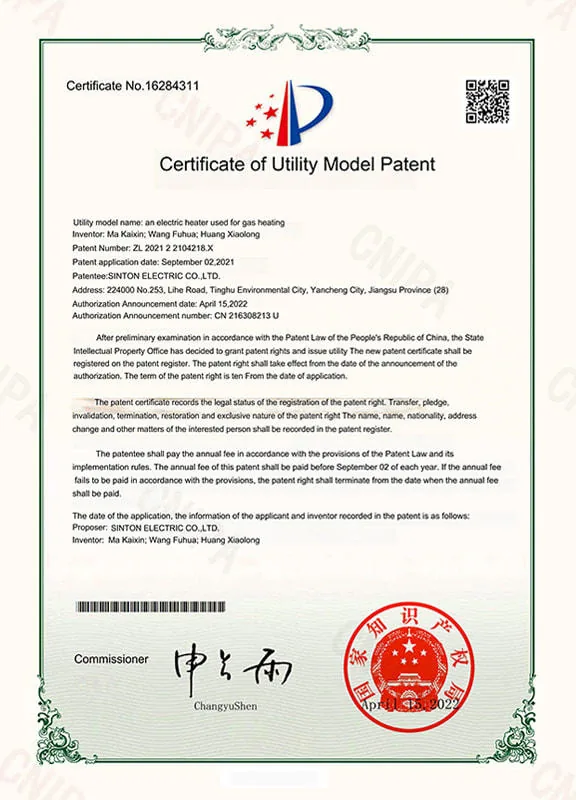
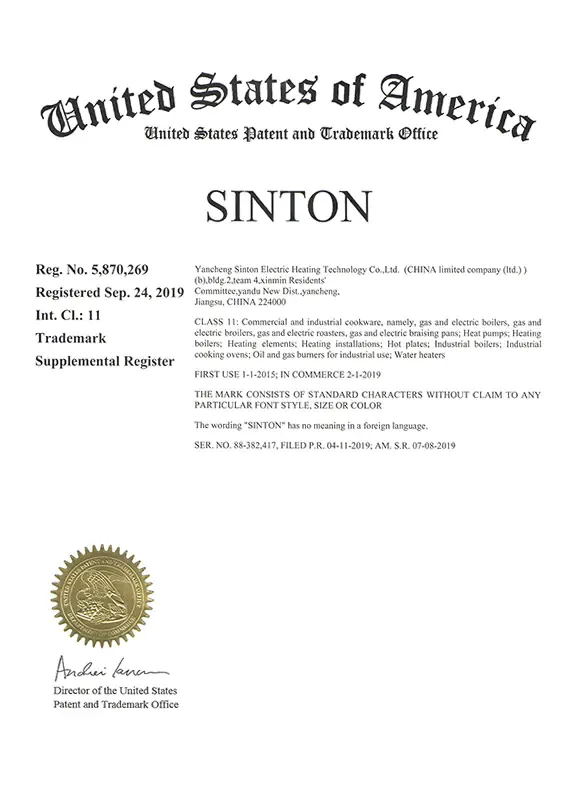
Product certificates, patents and management systems held by the Sinton plants. Open any document for the full scan, issuer and validity.
All certificates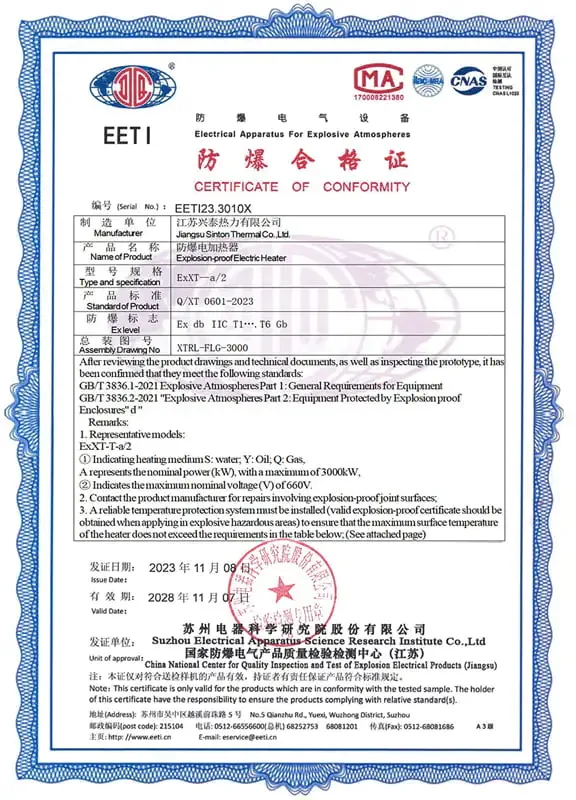
Technical questions
How do you match watt density to the medium?
Water tolerates a high watt density; oils and viscous fluids need a low one to avoid coking on the sheath. The design value is stated on every quotation.
Request a quote
Include your operating temperature and power supply. You can attach a drawing or datasheet.